Lily Dive - Training
Private overhead & cave training in the Riviera Maya, Mexico
Instruction by Lily TDI #15687
Cave diving isn’t for everyone.
But if you’re here, you’re probably looking for something more.
Private, structured training focused on real capability — not just certification.Not sure if you're ready? That’s exactly where we start.
I focus on building reliable procedures, situational awareness, and deliberate decision-making under stress — so you can plan and execute complex dives independently, not rely on being guided.
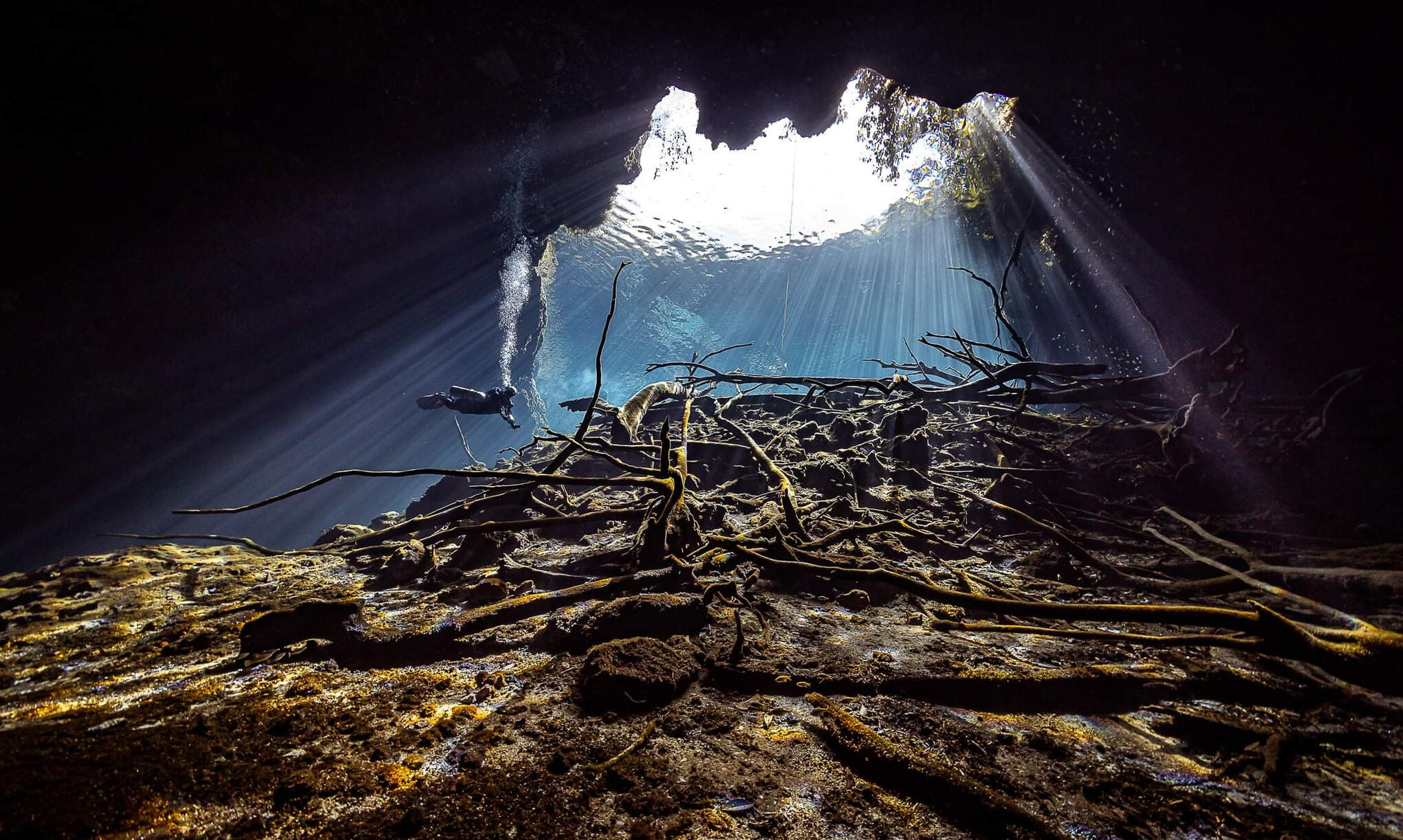
A clear progression, not a collection of courses
This training is not for everyone
This is not a program for divers focused on collecting certifications.It is designed for those willing to slow down, build reliable systems, accept accountability, and earn their progression through consistent execution.
Training is designed as a continuous path: sidemount, cavern, intro to cave, and full cave.Each level builds on solid fundamentals, personal accountability, and real proficiency — not just meeting minimum days.Progress depends on consistency, awareness, and the ability to integrate feedback, not on speed or checklists.
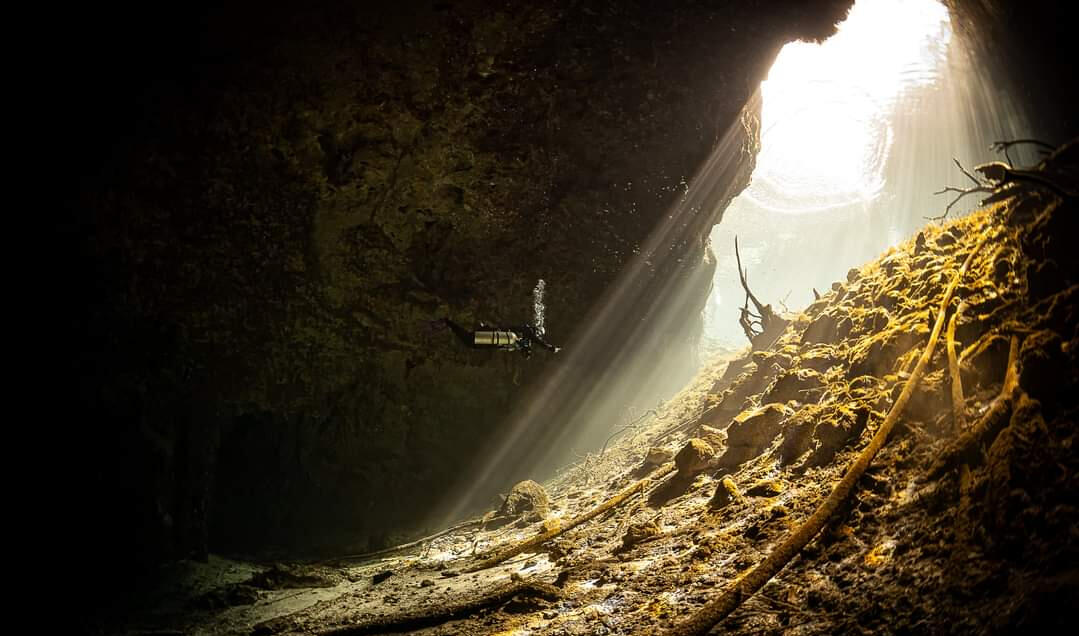
A structured progression, not isolated courses
Training follows a deliberate progression designed to build autonomy, consistency, and reliable decision-making in overhead environments.Each level builds on the previous one. Advancement depends on demonstrated proficiency, not on time, schedules, or checklists.
• Sidemount
• Cavern
• Intro to Cave
• Full Cave
Progression is not based on time or minimum days.Each level requires solid fundamentals, awareness, and the ability to integrate feedback.If those foundations are not in place, time is used to correct habits and build consistency before moving forward.This is not a delay — it is part of the training.
Progression is earned, not guaranteed
Not every diver will progress through every level at the same pace, and that is intentional.Training continues as long as it remains safe, productive, and aligned with the standards of the environment.
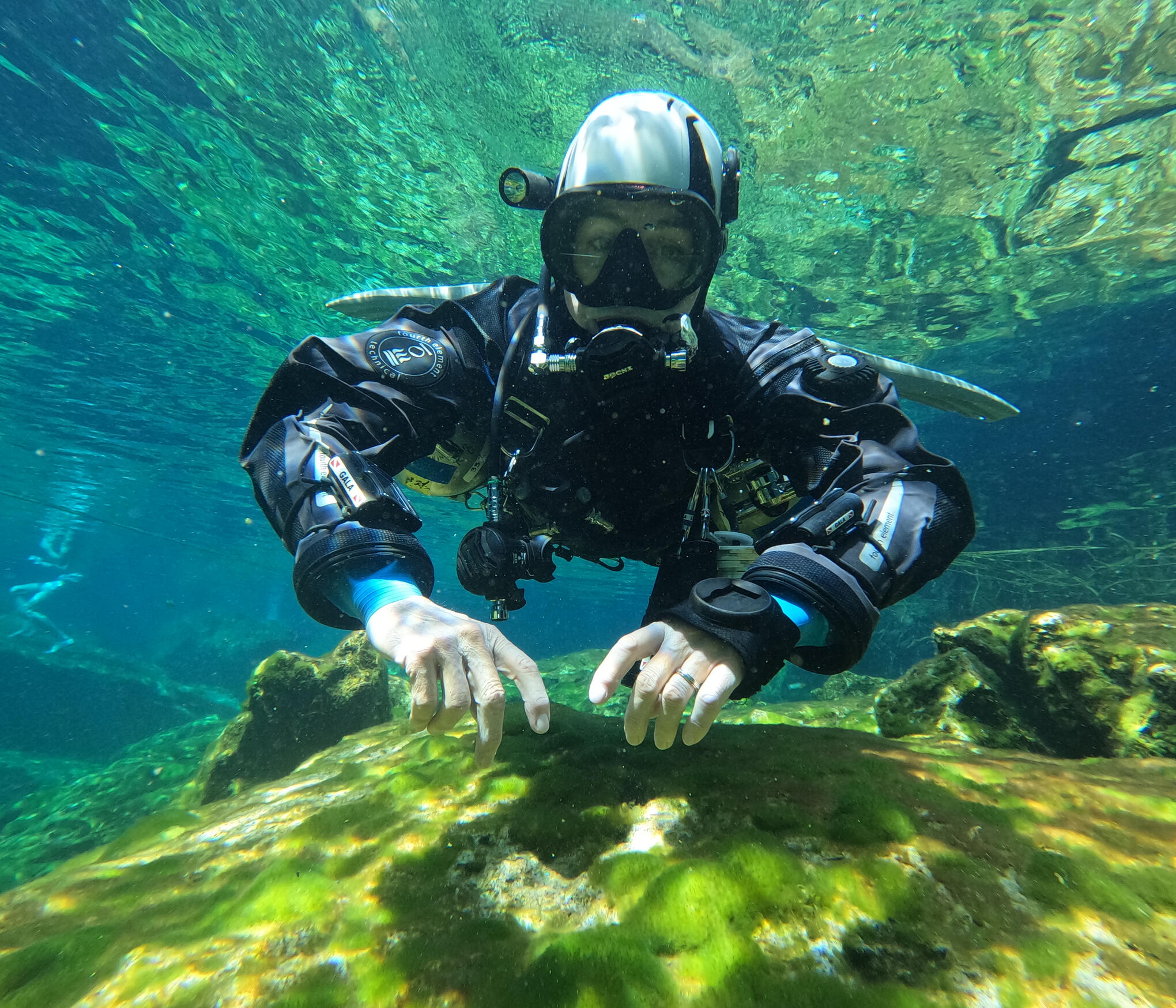
What training looks like in practice
Training is conducted in a private format, allowing the process to adapt to each diver’s pace, strengths, and limitations.Rather than following rigid schedules, I guide the training with a focus on execution quality, decision-making, and consistency, helping each diver move through the process with awareness, intention, and respect for real-world conditions.
Assessment and standards
Divers may enter training with previous experience or certifications.
An initial assessment is often used to understand where each diver is starting from and to align expectations for the training ahead.When areas in fundamentals, procedures, or awareness need reinforcement, time is intentionally dedicated to strengthening those skills and building reliable, repeatable performance before moving forward.This is not about setbacks or labels — it is a natural and necessary part of building solid foundations in an overhead environment.
Autonomy and team responsibility
Certification is granted when a diver consistently demonstrates autonomous planning and execution.Training also emphasizes team responsibility: we build not just skills, but thoughtful awareness of self and teammates.Redundancy becomes a shared mindset — not just equipment — as we learn to think, observe, and decide together.
Applying for training
Training availability and progression depend on individual readiness, experience, and alignment with the standards of the environment.If this approach resonates with you, the next step is a conversation — not a form.
Let’s explore what progression looks like for you.